
There is a particular moment, usually somewhere around the second week of June, when the UAE quietly changes shape. The beach walks stop. The 6pm run becomes a 5.30am run, or it becomes nothing at all. Dinner reservations move indoors. Everyone you know is either about to leave for the summer, currently away, or counting down the days until they are.
For those of us who stay, or who come and go, the next four months are less a season than an endurance event. And while most of the conversation around summer in Dubai and Abu Dhabi focuses on what to avoid, far less is said about what your body is quietly dealing with in the background.
Because it is dealing with a lot.
Most people in the UAE know they should drink more water in summer. Far fewer realise that drinking more water alone can occasionally make things worse.
When you move between 45°C outside and 20°C air conditioning several times a day, you lose fluid constantly, often without noticing much sweat at all, because it evaporates almost instantly in dry heat. What you lose with that fluid is not just water. It is sodium, potassium, magnesium and chloride. Drinking litres of plain water on top of that dilutes what is left, which is why you can be diligently hydrating and still feel foggy, crampy and flat by mid afternoon.
The everyday fix is unglamorous: add electrolytes, salt your food a little more generously than you would in a cooler climate, and eat water-rich foods rather than relying on your water bottle alone. Cucumber, watermelon, yoghurt and soups do more work than most people credit.
For the days when you are already behind, intravenous hydration is the more direct route. An IV VitaDrip® delivers fluid and electrolytes into the bloodstream rather than through the digestive system, which is why the effect tends to be felt more quickly than with oral rehydration. It is not a substitute for drinking properly through the week, and nobody should treat it as one. It is a useful reset when heat, travel or a long weekend have left you genuinely depleted.
This is the great irony of life in the Gulf. Vitamin D deficiency is remarkably common across the UAE, and summer makes it worse rather than better, because the heat drives everyone indoors during exactly the hours when the body would otherwise be producing it.
Add high-factor sunscreen, which you should absolutely be wearing, plus clothing that covers the skin, plus a working life spent in offices and cars, and the maths stops being surprising.
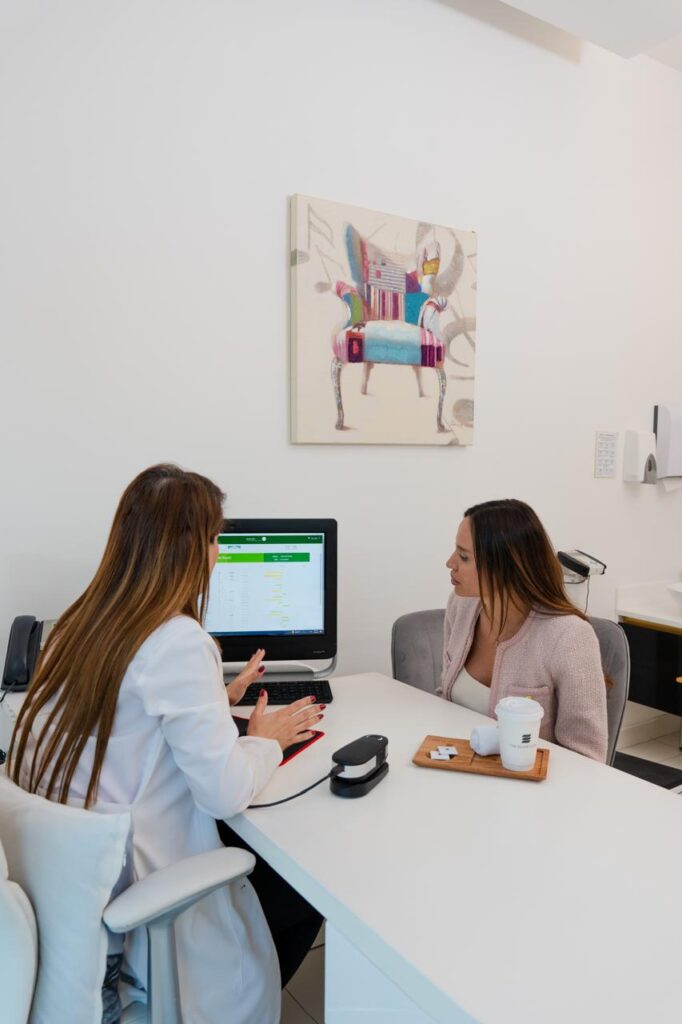
Low vitamin D is a quiet condition. It rarely announces itself. It shows up as low mood, aching muscles, poor sleep, frequent minor illness and a general sense of running at 80 per cent, all of which are easy to blame on the season itself. The only way to know where you stand is to measure it, which is what a diagnostic and screening panel is for. A blood test will also tell you about iron, B12, thyroid function and inflammatory markers, any of which can explain the same symptoms.
Once you know the numbers, correction is straightforward. Sometimes that means supplements and a change in routine. Sometimes, where levels are low enough or absorption is poor, vitamin booster injections are the more efficient path. A conversation with a private GP is what turns a set of results into an actual plan, and it is the step people most often skip.
Heat is metabolically expensive. Your body works harder to maintain core temperature, your heart rate sits higher, your sleep quality drops because your core temperature struggles to fall at night, and the cumulative effect is a tiredness that feels disproportionate to what you have actually done that day.
The practical levers are the obvious ones, done properly. Keep the bedroom cooler than feels necessary, ideally around 19 to 21°C. Move exercise to early morning or indoors. Protect your sleep window rather than assuming you can catch up at the weekend. Go easy on alcohol, which is dehydrating and fragments sleep at precisely the time of year you can least afford it.
Where fatigue persists despite all of that, it is worth looking at cellular energy rather than just habits. NAD+ therapy works at the level of mitochondrial function, and has become popular among people whose tiredness has stopped responding to more sleep. IV Laser Therapy is another option, used to support circulation, energy levels and mood. Neither is a magic switch, and neither replaces a proper investigation into why you are tired, but as part of a structured plan they have a place.

Four months of recirculated, dehumidified air is a slow assault on the skin barrier. The result is skin that feels tight and looks dull, produces more oil to compensate, and reacts badly to products that were perfectly fine in March. Meanwhile the UV index outside is doing its own work on pigmentation, which is why so many people return from the summer noticing patches and unevenness that were not there in spring.
The at-home answer is to shift towards barrier repair rather than active exfoliation. Less acid, more ceramides and hyaluronic acid, and sunscreen reapplied even on days you barely leave the building, since UVA passes through glass.
In clinic, a Hydrafacial is the sensible summer default, because it cleanses and hydrates without the downtime or sensitivity that heavier resurfacing can bring at this time of year. For pigmentation and texture concerns, the more advanced skin technology treatments are usually better scheduled for the cooler months, when sun exposure is easier to control afterwards. A good practitioner will tell you to wait. That is a feature, not a delay.
Summer training in the UAE is a scheduling problem before it is a fitness problem. Early morning or late evening outdoors, or indoors entirely. Reduce intensity for the first two weeks of any heat exposure and let acclimatisation happen. Weigh yourself before and after long sessions if you are serious about it, and replace roughly 1.5 litres of fluid for every kilogram lost.
Recovery matters more than usual, because heat stress and training stress stack. This is where structured support earns its place, whether that is an athletic-focused wellness programme built around your diagnostics, or simply being more deliberate about sleep and nutrition than you would be in January.
If you leave for the summer, come back with a plan. Long-haul travel, a change in diet, disrupted routines and jet lag mean most people land back in Dubai or Abu Dhabi in late August feeling considerably worse than when they left, then throw themselves straight into a new school year and a full diary.
A screening panel in the first fortnight back tells you what actually needs attention. It is a far better use of money than guessing.
Summer here is not something to be endured passively. It is a set of specific, predictable physiological pressures, and each one has a sensible response. Hydrate properly rather than just frequently. Measure your levels instead of assuming. Protect your sleep. Adjust your skincare. Move your training.
The Elixir Clinic’s teams in Dubai and Abu Dhabi work with clients through the summer months to build exactly this kind of plan, starting with diagnostics rather than assumptions. If you have spent the last few summers simply waiting for October, this might be the year to try something more deliberate.
Book a treatment and begin with a complimentary GP consultation.
This article is for general information and is not a substitute for individual medical advice. Speak to a qualified practitioner before starting any new treatment.

