In the world of non-invasive cosmetic treatments, dermal filler injections have become a go-to solution for restoring volume, smoothing wrinkles, and refreshing your overall appearance – with minimal downtime. Dermal fillers are a type of cosmetic treatment designed to enhance appearance with less downtime and fewer risks than invasive procedures, such as surgery. Unlike invasive procedures, dermal fillers are non-surgical and typically allow for a quicker recovery. But for patients who maintain an active lifestyle, one of the most frequently asked questions remains: “Can you work out after getting fillers?”
In this article, we will explore how physical activity, increased blood flow, and exercise can affect dermal filler treatment, and what guidelines to follow post-procedure to maintain results and avoid complications.
Dermal fillers are injectable cosmetic treatments designed to target common signs of aging by plumping up the injected area, reducing the appearance of frown lines, and restoring natural volume. These facial fillers are typically made of substances like hyaluronic acid, which bind to water and support the skin’s structure. As our bodies age, the natural production of collagen and elastin decreases, leading to volume loss that fillers help restore.
Using a tiny needle, trained professionals perform the procedure by injecting fillers into precise facial areas—like the lips, cheeks, under-eyes, or jawline—using advanced injection techniques. Fillers are a popular alternative to plastic surgery, offering fast results, minimal downtime, and natural-looking enhancements.
The short answer is: Avoid strenuous exercise for 24 to 48 hours after receiving filler injections. It is important to avoid exercise during this period to support optimal healing and minimize complications.
Why? Exercise increases blood pressure and blood flow, and elevates your heart rate, which can:
• Lead to filler migration from the injection site
• Cause bruising, delayed bruising, or swelling
• Interfere with the settling of the filler material
• Irritate the skin or worsen inflammation, especially if sweat or cosmetic products are involved
• Increase the chance of infection or other risks and complications at the injection sites
Avoiding exercise helps minimize swelling and supports the healing process. Increased blood flow from exercise can affect blood vessels at the injection site, leading to bruising and swelling. Additionally, facial muscles move more during workouts, and applies pressure to the injected area – which could reduce the longevity of your results.
Patients can immediately return to most daily activities after getting dermal fillers, but should avoid vigorous exercise to prevent swelling or migration of the filler.
While light movement such as walking is acceptable, avoid the following for at least 48 hours:
• Lifting weights or resistance training
• Cardio workouts (running, HIIT, cycling)
• Hot yoga, tanning beds, and saunas (heat worsens swelling)
• Wearing face masks or tight headwear that puts pressure on the face
• Touching the treated area or applying makeup too soon
These activities can disturb the filler injected, increase risk of bruising, and affect how the product settles beneath the skin. You can usually start exercising again with light activities after 48 hours, but always follow your provider’s specific recommendations.
After receiving dermal filler injections, taking extra care of the injection site is essential for a smooth recovery and the best possible results. Patients should avoid touching, rubbing, or massaging the treated area, as this can increase the risk of filler migration and disrupt the placement of the filler. It’s also important to steer clear of skincare products that contain harsh chemicals, which can irritate the skin and worsen swelling around the injection site. Strenuous exercise, such as lifting weights or engaging in high-intensity workouts, should be avoided during the initial recovery period, as these activities can increase blood flow and pressure, leading to delayed bruising or swelling. By following these simple precautions, patients can minimize the risk of complications and help their skin heal beautifully after filler injections.
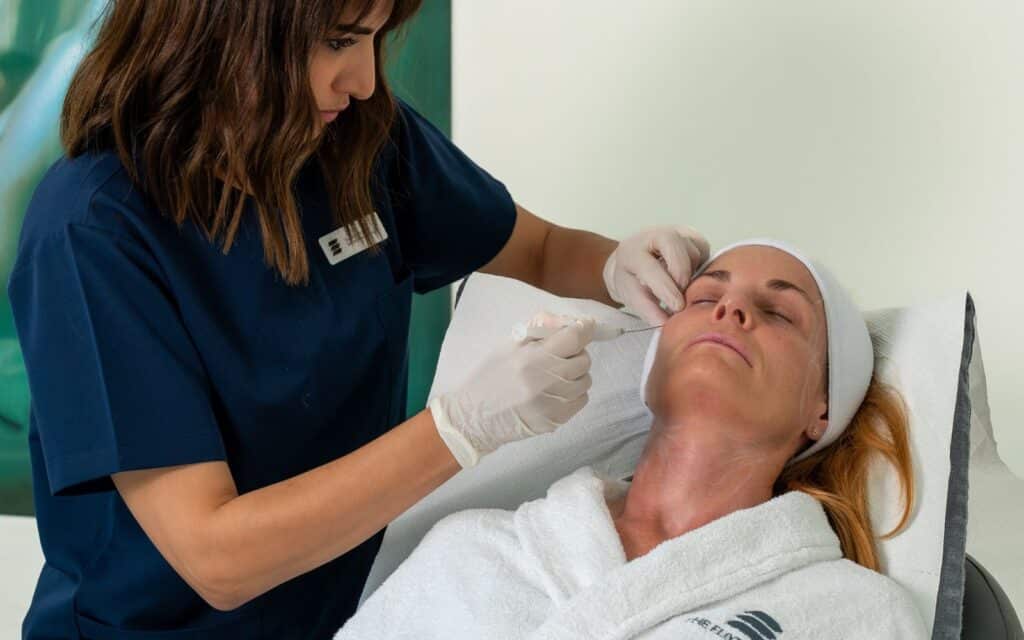
The longevity of your dermal filler injections depends on several factors, including the type of filler used, the injection techniques applied, and your individual lifestyle. Hyaluronic acid fillers, a popular choice for facial rejuvenation, can last anywhere from 6 to 18 months. However, increased blood flow from strenuous exercise or frequent physical activity can accelerate the breakdown of the filler, potentially shortening its effects. To help your dermal filler treatments last as long as possible, it’s best to avoid strenuous exercise in the days following your injections and maintain a healthy lifestyle.
You can usually apply makeup after dermal filler injections, but it’s important to do so with care to protect your skin and the results of your treatment. Choose makeup products that are free from harsh chemicals and avoid anything that could irritate the skin or worsen swelling. Always use clean brushes and sponges, and never share makeup to reduce the risk of infection at the injection sites. When applying makeup, use gentle, light strokes and avoid pressing or rubbing the skin, especially around the treated areas. Opt for lightweight, non-comedogenic products to maintain a fresh appearance without clogging pores or increasing swelling. By following these tips, patients can safely enhance their appearance while supporting a smooth recovery after filler injections.
To protect your results and avoid unwanted side effects:
• Wait at least 24-48 hours before starting exercise; avoiding exercise during this period helps minimize swelling and supports optimal healing
• Avoid sleeping on your face or using harsh chemicals in skincare products; opt for gentle facial rejuvenation products to support recovery
• Skip vitamin E and blood thinners unless advised otherwise
• Don’t apply heavy makeup immediately post-procedure
• Stay away from alcohol and limit sun exposure; side effects like dizziness or drowsiness may last a few hours after treatment
• Use a gentle skincare routine with nourishing, non-irritating ingredients
Following these guidelines helps minimise the chance of complications and keeps your aesthetic goals on track.
Most patients can return to light workouts after 48 hours, depending on the treatment and skin sensitivity. However, every face is unique, and your provider may recommend a longer break based on your individual aging process, filler type, and the depth of injections. Age can also impact how quickly a patient recovers and when it is safe to return to exercise, so recommendations are tailored to each patient’s needs.
To stay safe and ensure lasting results, always consult with experienced doctors or aesthetic practitioners who understand the link between injectables and lifestyle habits.
Ша you’re new to filler treatments or a seasoned client curious about post-treatment care, The Elixir Clinic is here to help.
Book your consultation today to receive personalised advice and support from our expert team. We’ll help you plan your treatments, answer your questions about exercise, recovery, and cosmetic products, and ensure your results stay smooth, lifted, and long-lasting.