Skip links

Pigmentation Treatment

Pigmentation is a common skin concern caused by excess melanin production, often triggered by sun exposure, hormonal changes, inflammation, or skin trauma. It can appear as dark patches, uneven tone, melasma, or post-acne marks.
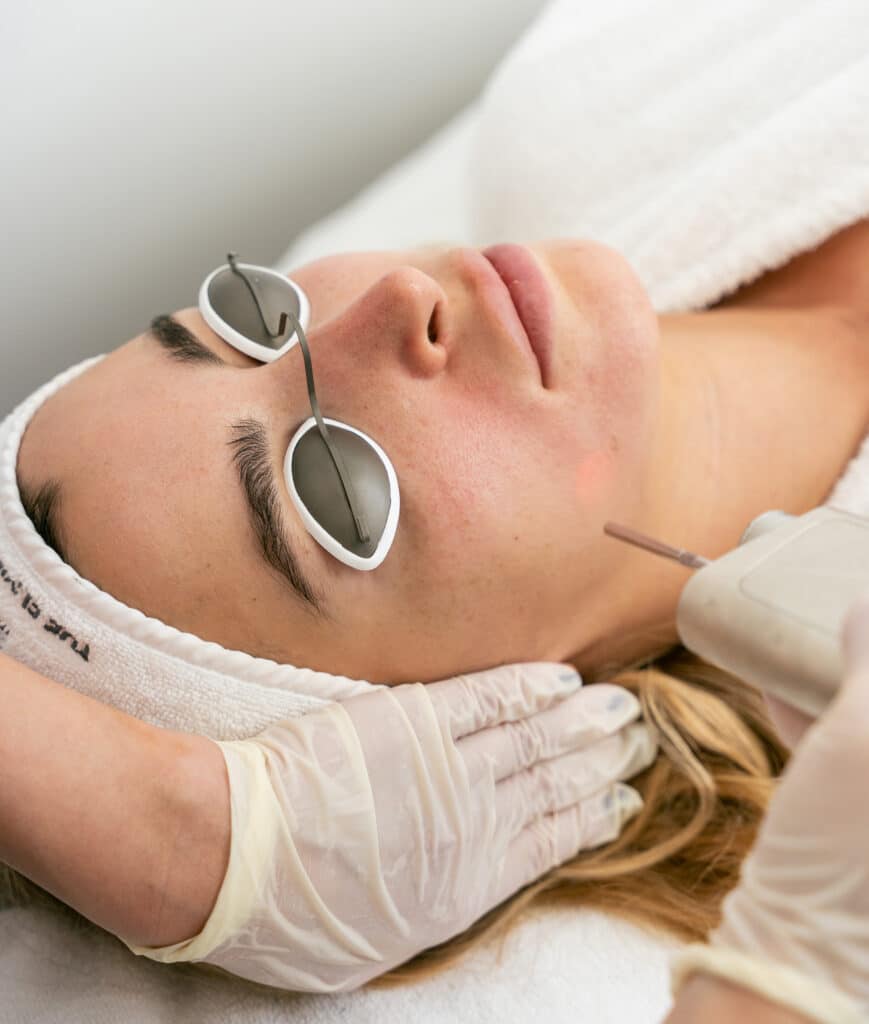
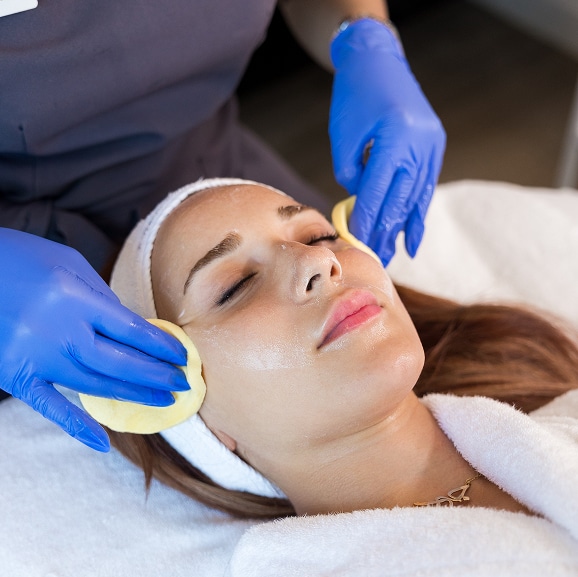
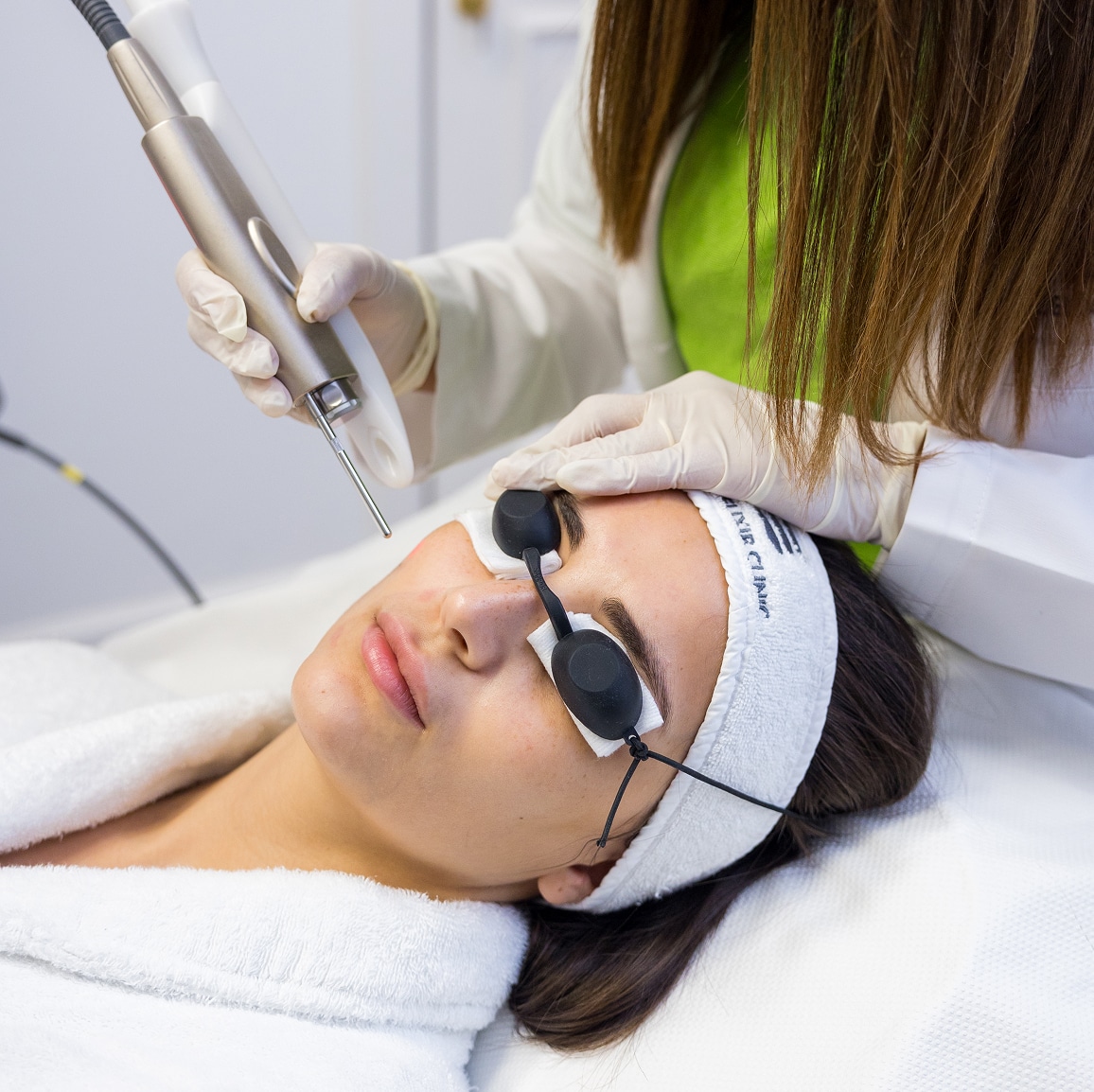
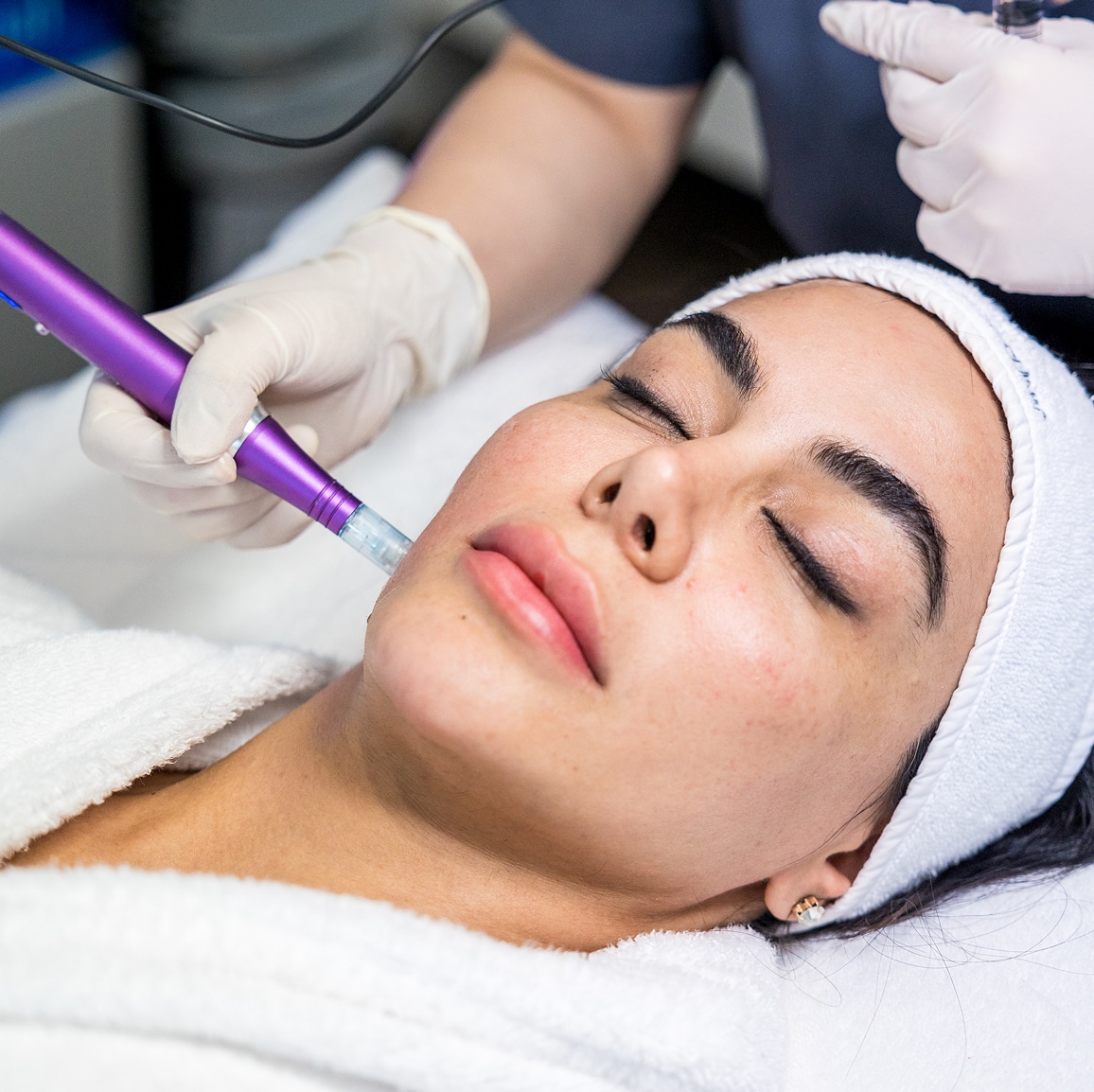
At The Elixir Clinic, we treat pigmentation using a personalised, multi-layered approach that targets both surface discolouration and the internal factors that contribute to pigment formation.
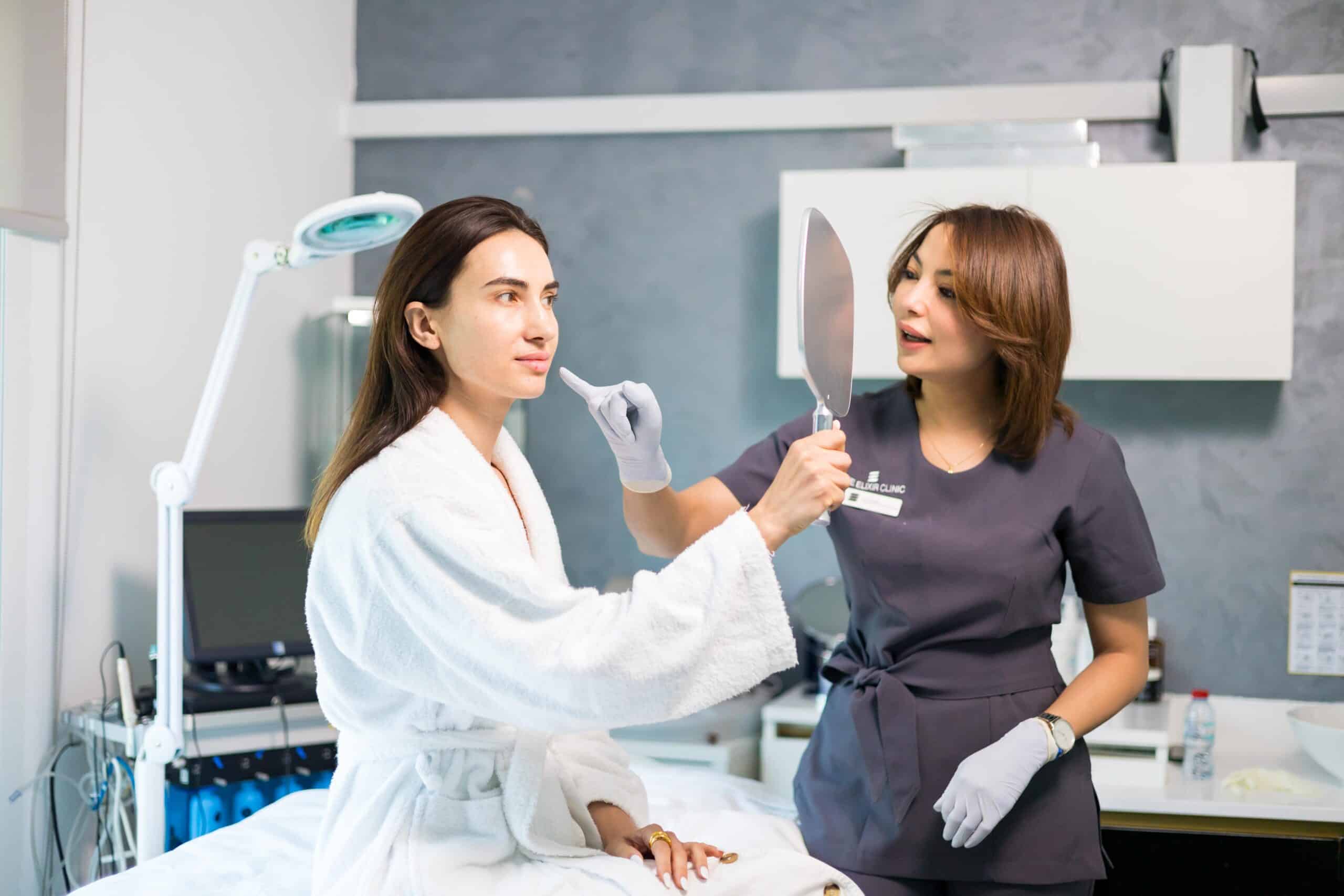
Pigmentation can be influenced by multiple factors, which is why effective treatment begins with a medical assessment. Our doctors carefully assess each case to design a personalised treatment plan tailored to the individual’s skin and underlying triggers.

Restore clarity. Brighten your skin. Rebalance from within.

Pigmentation treatments at The Elixir Clinic are designed to improve skin tone, reduce visible discolouration, and support long-term skin health through medically guided, non-invasive solutions.

What Are the Benefits of Pigmentation Treatment?

Our personalised pigmentation protocols address both the visible and biological causes of uneven skin tone. Targeted aesthetic procedures are paired with regenerative and internal support to improve not just how your skin looks, but how it functions.
Benefits may include:
At The Elixir Clinic, pigmentation is treated through a personalised combination of advanced aesthetic procedures, regenerative therapies, and internal skin support.

What Conditions Does Pigmentation Treatment Help With?

Pigmentation Treatment

Pigmentation treatments at The Elixir Clinic may support individuals experiencing:

Book a treatment today to begin your wellness journey.

Frequently Asked Questions

Answering your questions to make you feel comfortable.

Pigmentation develops when the skin produces excess melanin. This can be triggered by sun exposure, hormonal changes, inflammation, acne, skin trauma, genetics, and certain medications. Internal factors such as oxidative stress and nutrient imbalances can also influence pigment formation.


Some types of pigmentation can be significantly reduced, but not all forms can be permanently eliminated. Conditions like melasma and hormonally driven pigmentation may recur. Our focus is long-term management-improving skin clarity while addressing underlying causes to reduce future flare-ups.

Laser treatments can be safe and effective when properly selected and performed by trained professionals. However, not all pigmentation responds well to laser, and incorrect use can worsen discolouration. That’s why we always assess skin type, pigment depth, and cause before treatment.

This depends on the type of pigmentation, how deep it is, how long it has been present, and how your skin responds. Some patients improve in a few sessions, while others need a longer-term plan. Pigmentation is usually treated gradually.

Yes, pigmentation can return if triggers such as sun exposure, hormonal changes, or inflammation persist. This is why we focus on maintenance care, skin protection, and internal support to help reduce recurrence.

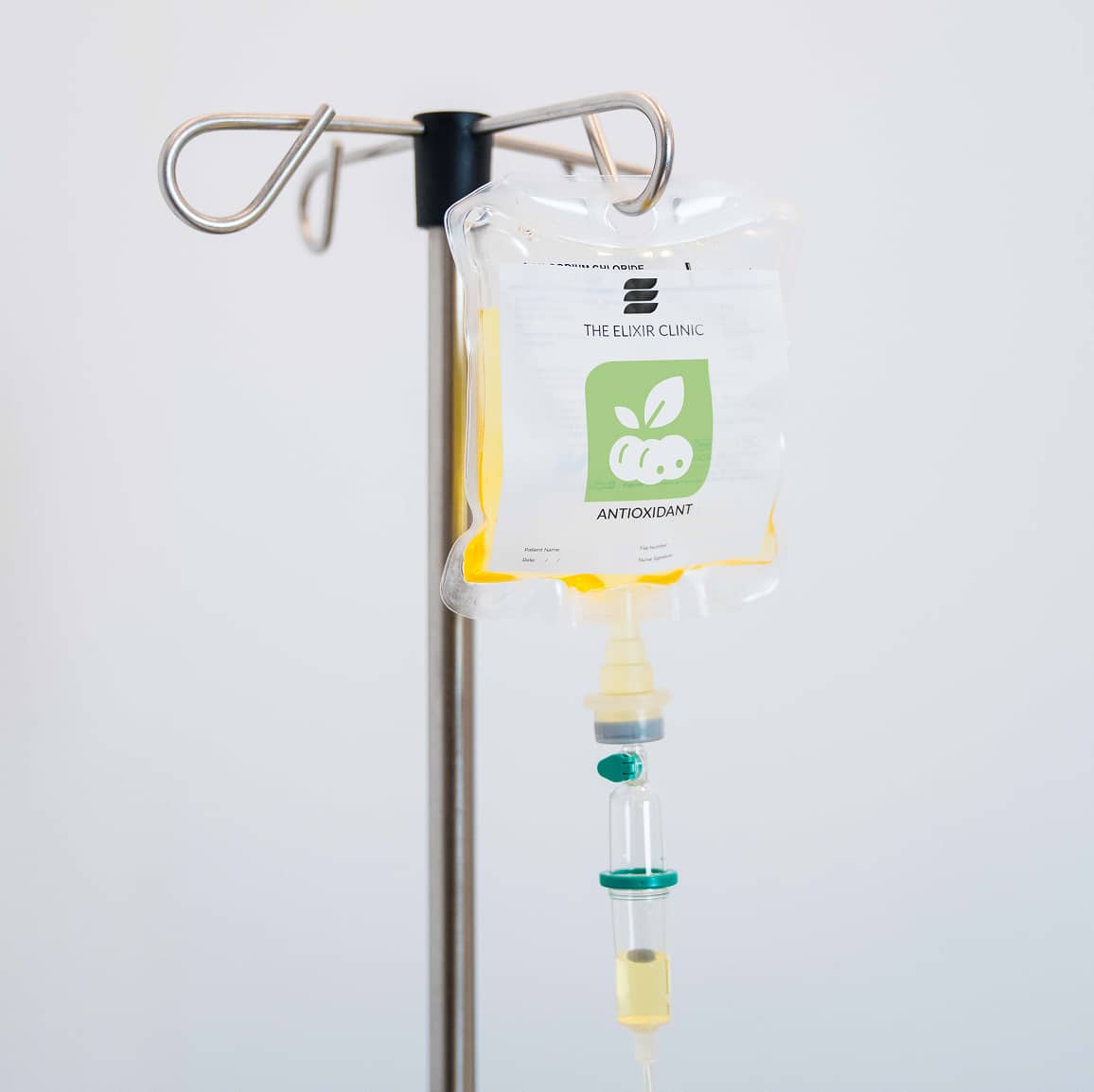
Yes. Inflammation, oxidative stress, hormonal balance, and nutrient levels all influence skin health. Internal therapies such as IV infusions, NAD+ therapy, ozone therapy, and IV laser therapy can support skin regeneration and improve long-term clarity from within.